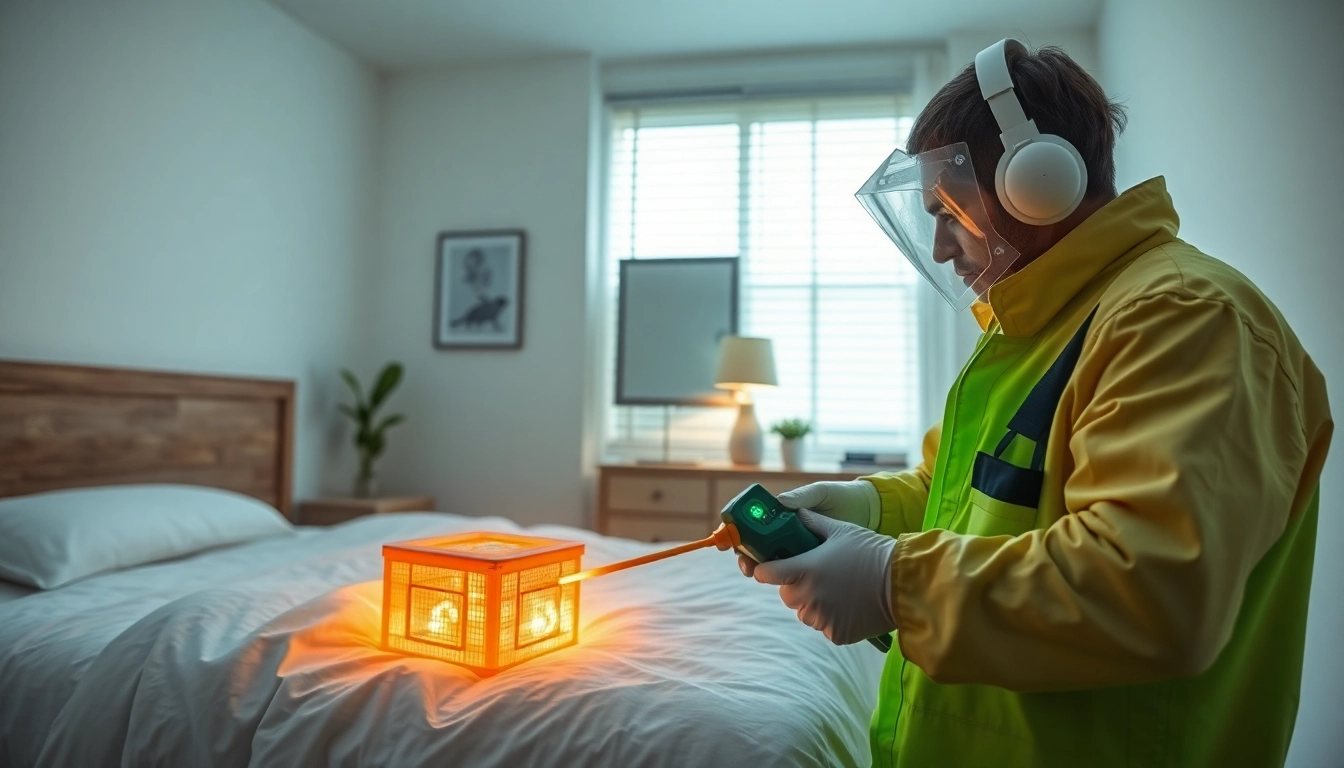
Understanding Bed Bugs and Their Behavior
Bed bugs are small, reddish-brown pests that feed on human blood, often found in homes, hotels, and other lodging. Their presence can be an unsettling experience that disrupts sleep and leads to significant discomfort. Proper bed bug pest control is vital for re-establishing a safe and restful environment. To effectively manage these pests, it is crucial to understand their behavior, life cycle, and the signs of an infestation.
Identifying Bed Bugs
Identifying bed bugs begins with recognizing their physical characteristics. Adult bed bugs are about the size of an apple seed, approximately 1/4 to 3/8 inches long, with flat, oval-shaped bodies. They are typically brown, but may appear reddish after a blood meal. Nymphs, or juvenile bed bugs, are smaller and lighter, often resembling the adults but lacking fully developed wings. Additionally, bed bug eggs are tiny, white, and about the size of a pinhead, which makes them difficult to spot.
Life Cycle of Bed Bugs
Understanding the life cycle of bed bugs is critical for effective pest management. Bed bugs undergo a simple metamorphosis consisting of three stages: egg, nymph, and adult. A female bed bug can lay about 200 to 500 eggs in her lifetime, which typically hatch within 6 to 10 days. Nymphs will molt five times before reaching maturity, a process that can take several weeks to months depending on environmental conditions such as temperature and access to food.
Signs of Bed Bug Infestation
Detecting a bed bug infestation early can save time and resources. Signs include:
- Bite Marks: Red, itchy welts on the skin often arranged in a line or cluster.
- Blood Stains: Small blood spots on bed linens or mattresses.
- Dark Spots: Fecal matter left by bed bugs can appear as dark stains on sheets or nearby surfaces.
- Eggs and Shells: The presence of eggs or discarded shells in places where bed bugs hide.
- Musty Odor: A musty or sweet smell can indicate a large infestation.
Preventive Measures for Bed Bug Pest Control
The best strategy against bed bugs is prevention. By implementing effective measures, you can mitigate the risks associated with infestations and promote a bug-free environment.
Regular Cleaning Techniques
Regular cleaning is vital in preventing bed bugs. Focus on:
- Vacuuming: Vacuum floors, carpets, and furniture regularly to eliminate bed bugs and their eggs.
- Laundering: Wash bedding and clothing in hot water and dry on high heat to kill bed bugs and their eggs.
- Decluttering: Reduce clutter, especially in the bedroom, creating fewer hiding places for pests.
Proper Furniture Maintenance
Taking care of furniture is essential in deterring bed bugs. Consider:
- Encasements: Use bed bug-proof mattress and box spring encasements to trap pests and prevent reinfestation.
- Inspection: Regularly check furniture for signs of bed bugs, especially along seams, crevices, and hidden areas.
- Repairing Cracks: Seal any cracks or crevices in walls, floors, or furniture to minimize potential hiding spots.
Traveling Safely to Avoid Infestations
Traveling can increase the risk of encountering bed bugs. To minimize this risk:
- Inspect Accommodations: Check hotel rooms upon arrival for signs of bed bugs.
- Elevate Luggage: Keep luggage off the floor and on a luggage rack instead.
- Wash Clothes: Wash travel clothes immediately upon returning home, sorting them away from other items.
Professional Bed Bug Pest Control Solutions
When infestations are significant or difficult to manage, enlisting the help of professional pest control services is often the best solution. Understanding what to expect and knowing the benefits can guide your decision-making process.
What to Expect from Extermination Services
Professional services typically follow a thorough process, which includes:
- Inspection: A comprehensive evaluation of the property to identify the extent of the infestation.
- Treatment Plans: Customized plans that may involve chemical treatments, heat treatments, or a combination of methods.
- Follow-Up: Regular follow-up visits to ensure the elimination of bed bugs and to prevent future infestations.
Integrated Pest Management Practices
Professional pest control often employs integrated pest management (IPM) practices, focusing on:
- Combination Treatments: Utilizing a variety of treatment methods to effectively eliminate bed bugs.
- Education: Informing homeowners of preventative steps they can take.
- Monitoring: Regularly assessing infestations to adapt strategies as needed.
Benefits of Choosing Professional Help
Choosing professional services provides numerous advantages:
- Expertise: Trained technicians understand pest behavior and the most effective methods to manage them.
- Efficiency: Professionals can typically assess and treat infestations more quickly than DIY methods.
- Long-Term Solutions: Professional treatments often come with guarantees and follow-up services.
DIY Bed Bug Pest Control Methods
For minor infestations, several do-it-yourself methods can mitigate bed bug issues. Consider the following options:
Effective Household Remedies
Some household remedies may help in managing bed bugs:
- Essential Oils: Certain essential oils, such as tea tree oil or lavender oil, have been noted for their pest-repellent properties.
- Soap and Water: A mixture of soap and water can kill bed bugs on contact, although it is not a long-term strategy.
- Diatomaceous Earth: This non-toxic powder can kill bed bugs by dehydrating them when applied in areas where they roam.
Using Heat and Cold Treatments
Heat and cold treatments can effectively reduce bed bug populations:
- Heat Treatment: Heating items to 120°F (49°C) for at least 30 minutes can kill bed bugs and their eggs.
- Freezing: Exposing bed bugs to temperatures below 0°F (-18°C) for several days can also eliminate them.
Creating a Comprehensive Bug Barrier
Preventing bed bugs from entering your home is vital:
- Sealing Cracks: Use caulk to seal cracks and crevices in walls and around windows.
- Use Traps: Bed bug traps placed under bed legs can catch intruders before they reach your bedding.
- Regular Inspections: Conduct routine checks of bedding and furniture for early signs of bed bugs.
Post-Treatment Care and Monitoring
After treatment, maintaining a bed bug-free environment is critical. Here are essential post-treatment care steps:
Maintaining a Bug-Free Environment
To create an ongoing protective barrier, it is vital to implement ongoing preventive measures, such as:
- Continued Cleaning: Keep up with regular vacuuming and laundering of bed linens and clothes.
- Monitoring: Be vigilant for signs of returning bed bugs.
- Routine Inspections: Schedule follow-up inspections with pest control professionals.
Regular Inspections and Follow-Ups
Following initial treatment, regular inspections can help ensure that bed bugs do not return. Work with professionals to schedule follow-ups and re-treatments if necessary.
When to Seek Further Help
If bed bug problems persist despite your efforts and treatments, it may be time to consult with professionals again. Persistent infestations may require more aggressive or additional treatments.
FAQs About Bed Bug Pest Control
1. How can I tell if I have bed bugs?
Signs of bed bugs include bite marks on the skin, blood stains on sheets, dark spots of fecal matter, and the presence of bed bug eggs or shells.
2. Can I get rid of bed bugs on my own?
While minor infestations may be managed at home using DIY methods, significant infestations usually require professional pest control services.
3. What is the best way to prevent bed bugs?
Regular cleaning, proper furniture maintenance, and careful travel practices are the best preventive measures against bed bugs.
4. How long do bed bugs live?
Bed bugs can live several months to over a year without feeding, making infestations challenging to control.
5. What should I do after pest control treatment?
Maintain a regular cleaning schedule, conduct routine inspections, and remain vigilant for any signs of returning bed bugs.