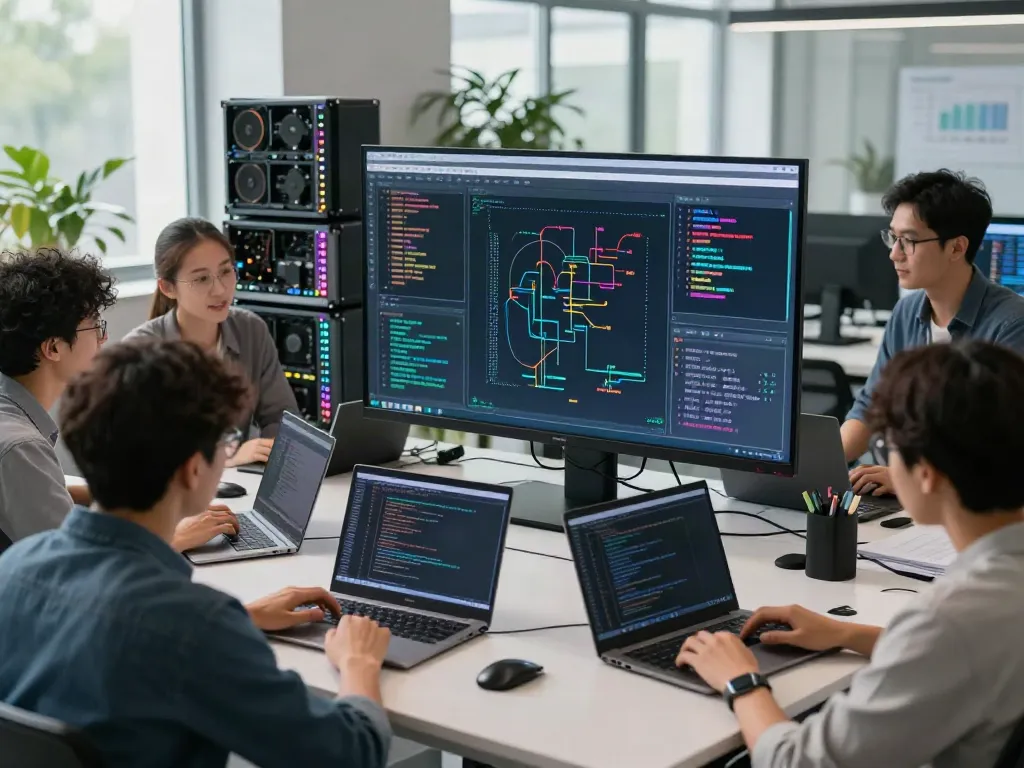
Understanding Computer Vision for CCTV
In today's security landscape, the incorporation of advanced technologies into traditional systems has become paramount. computer vision for CCTV represents a groundbreaking fusion of artificial intelligence with surveillance systems, fundamentally changing how security is perceived and executed. By enabling cameras not just to capture images but to analyze and interpret visual data, computer vision enhances the efficacy of CCTV systems in preventing and responding to threats.
What is Computer Vision for CCTV?
At its core, computer vision for CCTV is the application of artificial intelligence and machine learning algorithms to enhance the functionality of traditional surveillance systems. Rather than simply recording footage, these smart systems can detect, classify, and report on various events and behaviors. This technological advancement allows for more proactive security measures, moving beyond mere observation to real-time analysis and notification of events of interest.
How Computer Vision Works with CCTV Systems
Computer vision operates by processing video feeds through complex algorithms that interpret the data in real-time. This involves several steps:
- Image Acquisition: The CCTV camera captures video footage, which is then transmitted to a processing unit.
- Preprocessing: The video is enhanced to improve clarity and focus on relevant features, such as motion or specific objects.
- Object Detection: Algorithms analyze the footage to identify and classify objects, people, or vehicles within the frame.
- Behavior Analysis: Advanced models assess behaviors, recognizing patterns that may signify a security concern, such as unauthorized access or unusual movements.
- Alerting Mechanism: When anomalies are detected, the system can trigger alerts to security personnel, facilitating immediate response.
Benefits of Implementing Computer Vision for CCTV
The integration of computer vision with CCTV systems offers numerous benefits that enhance security efforts:
- Enhanced Monitoring: Through automated analysis, CCTV systems can provide 24/7 surveillance without fatigue, ensuring continuous attention to potential breaches.
- Real-Time Alerts: Instant notifications allow for quick decision-making and responses during security incidents, reducing response times compared to traditional systems.
- Improved Accuracy: Machine learning models can decrease false alarms often associated with standard motion detection, focusing only on significant events.
- Advanced Analytics: Data collected from CCTV footage can be processed to gain insights on behavior patterns, which can be useful for strategic planning in security operations.
- Cost-Effective Security: By utilizing existing resources intelligently, organizations can often reduce the need for multiple personnel or extensive physical security measures.
Applications of Computer Vision in CCTV
Real-Time Surveillance and Monitoring
Computer vision revolutionizes how real-time monitoring is conducted, allowing for continuous surveillance without human oversight. AI systems can analyze feeds for irregular activities, such as loitering or trespassing, notifying security staff when action is required. This capability enhances public safety in various environments, from retail stores to public spaces, by providing a reliable layer of oversight.
Facial Recognition Technology in CCTV
Facial recognition is one of the most impactful applications of computer vision for CCTV. By identifying individuals based on facial features, these systems can enhance security measures, allowing for quick identification of persons of interest. This technology is especially valuable in controlled environments such as airports or sensitive facilities, where real-time alerts about known threats are crucial for safety.
Incident Detection and Response
Computer vision enhances incident detection capabilities considerably. With trained models identifying unusual behaviors, such as aggressive conduct or the abandonment of bags, security personnel can be alerted immediately. Integrating this technology leads to effective incident management, as authorities can respond swiftly to prevent escalation or address potential threats before they materialize.
Challenges in Implementing Computer Vision for CCTV
Data Privacy Concerns
While the advantages of computer vision are significant, concerns regarding data privacy persist. Surveillance systems must comply with local and international regulations related to data protection and individual rights. Establishing clear privacy policies, ensuring transparency, and limiting data access are critical to maintaining trust while leveraging this powerful technology.
Integration with Existing Systems
The challenge of integrating computer vision with existing CCTV systems can be substantial. Many organizations have legacy systems that might not be compatible with current AI technologies. A thorough assessment is necessary to determine which hardware can be upgraded and which software solutions can be integrated to maximize their surveillance capabilities without replacing entire systems.
Cost Implications and ROI
The investment required for implementing computer vision technology can be significant. Businesses need to evaluate the total cost of ownership, including hardware, software, and training expenses, against the expected return on investment. Understanding the long-term savings through enhanced security outcomes and reduced risk can help justify the initial expenditure.
Best Practices for Computer Vision in CCTV
Choosing the Right Hardware
The foundation of effective computer vision lies in selecting appropriate cameras and sensors. High-resolution cameras capable of functioning in various lighting conditions are essential for accurate image capture and processing. Considerations such as field of view, lens type, and installation location must be taken into account to optimize performance.
Software Solutions for Effective Analytics
Choosing robust software that can process and analyze video footage in real-time is crucial. The software should have capabilities for machine learning, allowing it to improve its algorithms over time based on data acquired. Additionally, user-friendly interfaces will facilitate the effective use of these systems by security personnel.
Training Personnel for System Use
Even the most advanced technology can fail without proper training. Personnel must be well-versed in interpreting data derived from computer vision systems and responding appropriately to alerts. Continuous education and practice drills ensure that staff can react effectively in real security situations, maximizing the technology's potential.
Future Trends in Computer Vision for CCTV
Advancements in AI and Machine Learning
The future of computer vision for CCTV will likely be shaped by ongoing advancements in AI and machine learning technologies. As algorithms become more sophisticated, their ability to recognize subtle changes in behaviors or environments will improve, enhancing detection capabilities and further reducing false positives.
Integration with IoT Devices
With the growing trend of Internet of Things devices, the integration of computer vision for CCTV with IoT solutions will enhance situational awareness. Imagine security systems automatically adjusting based on environmental changes detected by IoT, such as heightened activity in a specific area, providing a comprehensive security approach.
Impact of Edge Computing on CCTV Analysis
Edge computing is poised to revolutionize CCTV systems by allowing data processing to occur closer to the source. This reduces latency and bandwidth consumption, leading to quicker detection times and less reliance on cloud computing. The implementation of embedded systems in cameras will enable real-time analytics irrespective of connectivity to central servers.
FAQs
What is computer vision for CCTV?
Computer vision for CCTV refers to the use of AI technology to analyze video feeds, allowing systems to interpret images and respond to events effectively.
What are the benefits of computer vision in surveillance?
Benefits include improved monitoring capabilities, enhanced security through real-time alerts, and detailed data analysis for tracking suspicious activities.
Are there privacy concerns with computer vision for CCTV?
Yes, privacy is a significant concern. Clear guidelines and compliance with regulations are necessary to protect individuals' rights and privacy.
How does computer vision enhance incident detection?
It utilizes algorithms to identify abnormal behaviors or specific events, such as accidents or unauthorized access, allowing for quicker responses.
What future trends should we watch in computer vision for CCTV?
Future trends include AI advancements, increased integration with IoT devices, and the use of edge computing for faster data processing and analysis.