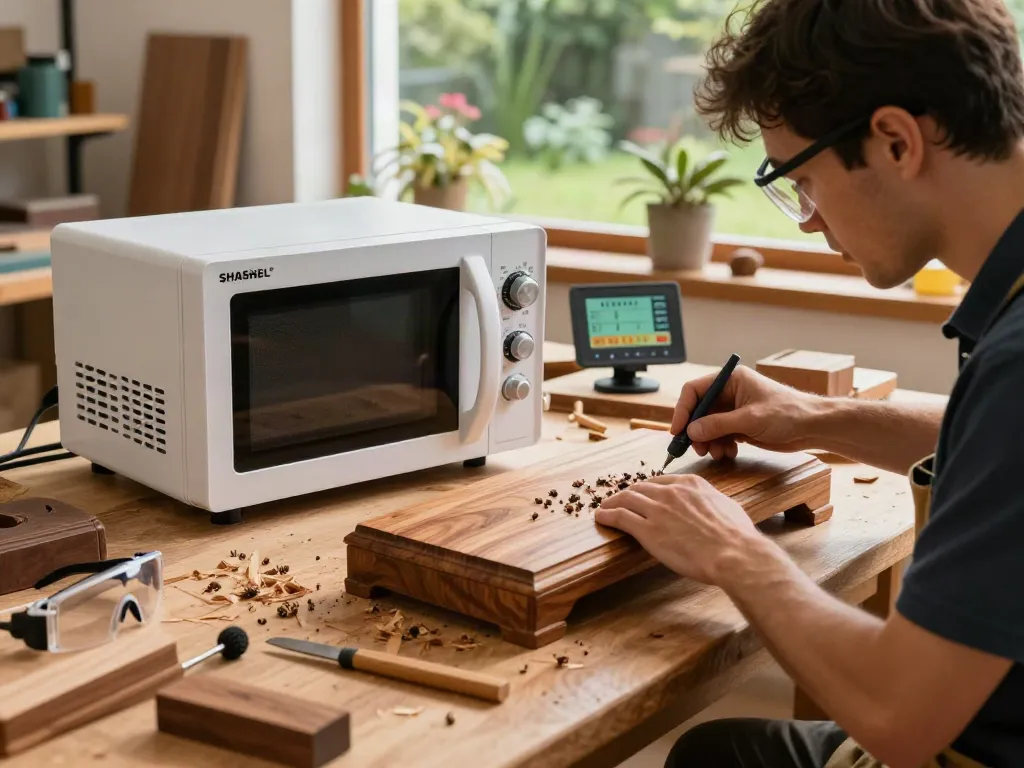
Understanding SHASHEL® Technology and Its Benefits
As we continue to confront the challenges posed by wood-boring insects, the demand for effective pest control solutions like SHASHEL® technology is on the rise. SHASHEL® provides a cutting-edge approach to eliminating woodworms, larvae, and eggs within just a few minutes, utilizing microwave technology that penetrates deep into wood structures. This innovative method is chemical-free, eco-friendly, and safe for residential and industrial use alike. When exploring options, SHASHEL® offers comprehensive insights into pest eradication.
What is SHASHEL® and How Does It Work?
SHASHEL® is a revolutionary technology designed to tackle the persistent problem of wood-boring insects. Utilizing microwave radiation, it targets the specific frequencies that affect these pests, effectively killing them without harming the underlying wood. This process not only eliminates adult insects but also destroys their eggs and larvae, ensuring a thorough treatment.
The SHASHEL® device operates by generating microwaves that penetrate different types of wood, raising the temperature of the infested areas rapidly. The heat is lethal to the insects, which cannot survive the sudden temperature changes. This method is particularly advantageous for preserving the integrity of the wood structure since it avoids the use of harsh chemicals that could compromise the material.
Key Benefits of Using SHASHEL® for Pest Control
- Rapid Treatment: The SHASHEL® device can treat wood in a matter of minutes, significantly reducing downtime in operations or home renovations.
- Effective and Thorough: The technology not only exterminates existing pests but also prevents future infestations by eliminating their reproductive cycle.
- Environmentally Friendly: Being chemical-free means it is safer for both humans and pets, making it the preferred option for eco-conscious consumers.
- Versatile Application: Suitable for various settings, including private homes, warehouses, and storage facilities, the SHASHEL® equipment can be adapted to your specific pest control needs.
Safety and Environmental Advantages of SHASHEL® Technology
The safety of users and the environment is a primary concern in pest control methods. SHASHEL® technology stands out for its commitment to health and safety. Unlike traditional chemical treatments, which may pose health risks to humans and animals, this microwave technology is completely safe. It does not release toxic substances into the air or surrounding environments, making it an ideal choice for sensitive areas like homes and food storage facilities.
Additionally, this method integrates sustainability into pest management strategies, aligning with the growing consumer preference for eco-friendly solutions. By utilizing innovative technology, SHASHEL® ensures effective pest control without compromising environmental integrity.
Identifying Wood-Boring Insects: A Comprehensive Guide
Understanding the types of wood-boring insects and the signs of infestation is crucial for effective pest control. SHASHEL® technology is designed to combat a variety of these pests, providing an efficient solution for homeowners and industry professionals alike.
Common Wood-Boring Insects Treated by SHASHEL®
Some of the most prevalent wood-boring insects include:
- Woodworms: These larvae are known for their destructive capabilities, feeding on wood and often remaining hidden until the damage is severe.
- House Longhorn Beetles: Recognizable by their long antennae, these pests can cause significant structural damage.
- Powderpost Beetles: These insects create fine, powdery feces as they bore through wood, often indicating a serious infestation.
Signs of Infestation in Wooden Structures
Recognizing an infestation early can help mitigate damage. Key indicators include:
- Exit Holes: Small holes on the surface of wood indicate that adult insects have exited, often a sign of a more widespread issue within.
- Wood Dust: Finding fine sawdust, or frass, around wooden objects is a clear sign that wood-eating pests are at work.
- Cracked or Damaged Wood: Structural changes or weakening wood can indicate extensive damage caused by prolonged infestation.
How to Assess the Damage Caused by Wood-Boring Insects
Once you suspect an infestation, assessing the extent of the damage is essential. Visual inspections can help identify active and inactive pests, and using tools like a moisture meter can provide insights into the wood’s condition. Additionally, probing the wood with a screwdriver or awl can identify soft spots indicative of extensive damage.
Step-by-Step Guide to Using the SHASHEL® Device
Utilizing the SHASHEL® device for pest control is straightforward and efficient when following the proper steps. Here is a guide to ensure effective treatment.
Preparing Your Workspace for SHASHEL® Treatment
Before treatment, ensure that the areas affected by wood-boring insects are clear of any obstructions. This not only facilitates easier access but also allows for optimal microwave penetration. Additionally, it is important to seal off any nearby areas to prevent the escape of insects and ensure that the treatment remains focused.
Operational Steps for Effective Treatment
- Set Up the Device: Follow the manufacturer’s guidelines to properly set up the SHASHEL® device, ensuring all safety protocols are in place.
- Calibration: Calibrate the settings based on the type of wood being treated and the severity of the infestation.
- Initiate Treatment: Activate the device and monitor its operation, ensuring that it operates within the specified temperature range for effective pest elimination.
Post-Treatment Care and Maintenance
After treatment, it’s crucial to inspect the treated areas to ensure that no active pests remain. Follow up with regular inspections to prevent future infestations. In addition, consider applying protective wood finishes to enhance longevity and resilience against future pest attacks.
Best Practices for Wood Preservation After Treatment
Once the pests are eradicated, it's important to take steps to preserve the wood and prevent new infestations. Implementing best practices can extend the life of your wooden structures.
Choosing the Right Wood Finishes for Longevity
Selecting appropriate wood finishes can protect against moisture, UV rays, and pests. Products containing preservatives or insecticides can provide enhanced defense, making them a worthwhile investment for long-term protection.
Regular Inspection and Maintenance Tips
Establishing a routine inspection schedule can catch early signs of reinfestation. Pay special attention to high-moisture areas, as these are often breeding grounds for pests.
How to Create a Pest-Resistant Environment
Creating an environment that is resistant to pests involves maintaining proper ventilation, reducing moisture levels, and implementing barriers to prevent pests from entering wooden structures.
Future Trends in Pest Control Technology for 2026 and Beyond
The landscape of pest control continues to evolve rapidly, with innovations shaping the industry's future. Here are some emerging trends to watch for in 2026 and beyond.
Emerging Technologies in Pest Management
Advancements in pest control technology will likely focus on automation and enhanced efficiency. The integration of AI and IoT in monitoring pest activity could revolutionize how we approach pest management.
Predictions for the Evolution of SHASHEL® Solutions
As technology advances, SHASHEL® is expected to expand its capabilities, offering more efficient devices that can treat larger areas, thus addressing the needs of commercial and industrial clients more effectively.
How Consumer Preferences are Shaping Pest Control Innovations
Growing environmental awareness is influencing consumer preferences, leading to increased demand for safe and sustainable pest control solutions. The shift towards chemical-free treatments like SHASHEL® will continue to grow.
What is the Difference Between SHASHEL® and Conventional Methods?
Traditional pest control methods often involve the use of chemical treatments, which can pose health risks and are often less effective against deep infestations. In contrast, SHASHEL® utilizes microwave technology to penetrate wood effectively, eliminating pests without harmful side effects.
How Effective is SHASHEL® Compared to Chemical Solutions?
Research indicates that SHASHEL® technology is as effective, if not more so, than chemical treatments for eliminating wood-boring insects. In many cases, it provides immediate results without the prolonged safety considerations associated with chemicals.
What Maintenance is Required for the SHASHEL® Device?
Regular maintenance of the SHASHEL® device is crucial for optimal performance. This includes checking for any wear and tear, ensuring the microwave components are functioning correctly, and scheduling professional inspections as needed.
Can SHASHEL® Be Used on All Types of Wood?
Yes, SHASHEL® technology is compatible with a wide variety of wood types. However, it’s essential to calibrate the device settings according to the specific characteristics of each wood type to achieve the best results.
What is the Ideal Environment for Using SHASHEL®?
SHASHEL® works best in controlled environments where temperature and humidity levels can be maintained. This ensures maximum efficiency of the microwave treatment and reduces the risk of reinfestation.
How Long Does SHASHEL® Treatment Last?
Following treatment with SHASHEL®, the wood should remain pest-free as long as it is properly maintained and environmental conditions are managed to prevent new infestations.