1. Understanding the Bobcat: A Comprehensive Overview
1.1 What is a Bobcat?
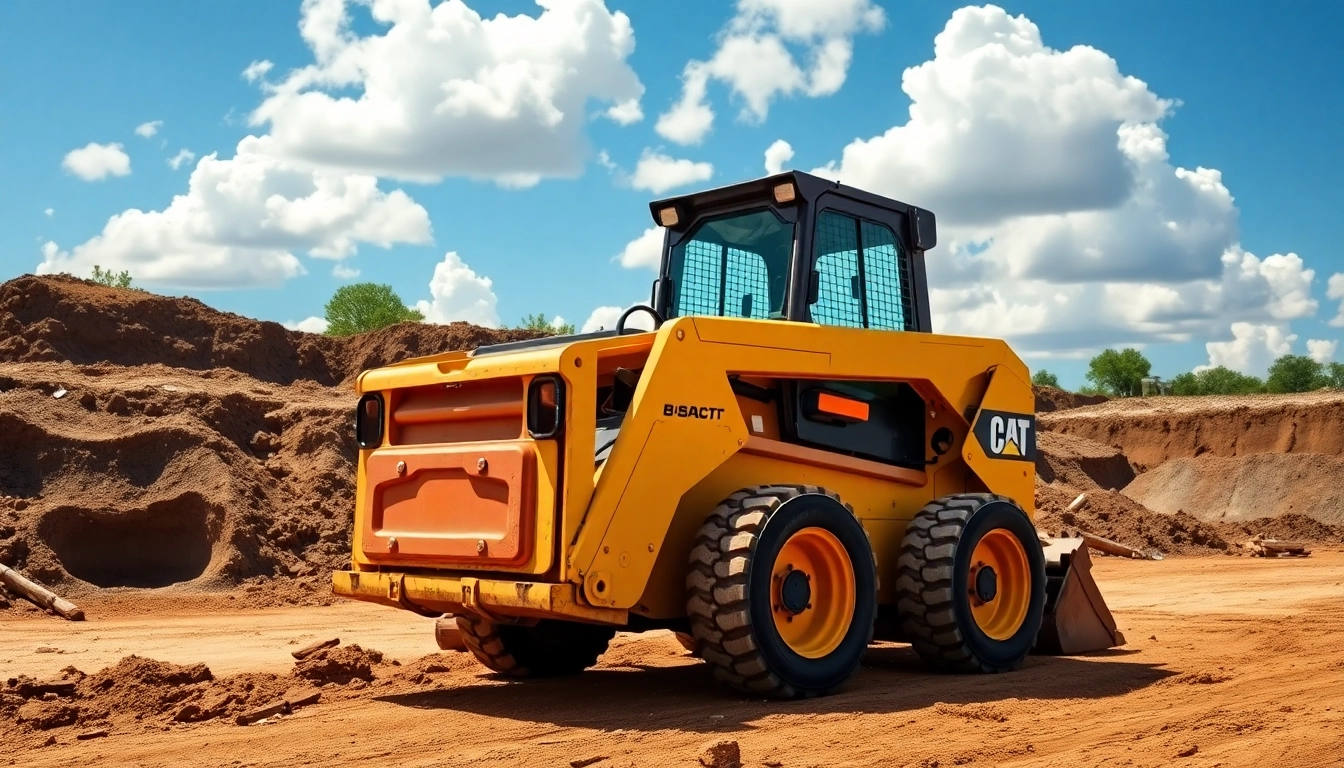
A bobcat is a compact construction vehicle equipped with a hydraulic lift. Renowned for its versatility and power, the bobcat can perform a wide variety of tasks, making it an essential tool in both commercial and residential settings. With a design allowing it to navigate tight spaces, the bobcat is favored for urban construction, landscaping, and demolition projects.
1.2 Features of Modern Bobcats
Modern bobcats are engineered with an array of features enhancing user experience and efficiency. Key features include:
- Hydraulic Systems: Provide superior lifting power and quick attachment changes.
- Compact Design: Allow access in restricted areas without compromising power.
- Operator Comfort: Ergonomic seats, easy controls, and visibility enhancements contribute to a safer, more efficient operation.
- Durability: Built with heavy-duty materials able to withstand rigorous conditions.
1.3 Use Cases for Bobcats
Bobcats are incredibly versatile machines used in various applications such as:
- Earth Moving: Ideal for excavation tasks, leveling land, and moving dirt.
- Landscaping: Beneficial in digging holes, grading soil, and transporting materials.
- Construction: Used to assist in material handling, demolition, and site preparation.
- Agriculture: Employed for tasks like moving feed, cleaning barns, and tilling fields.
2. Selecting the Right Bobcat for Your Needs
2.1 Assessing Project Requirements
When selecting a bobcat, the first step involves assessing your project's specific requirements. Consider factors like the type of work, terrain type, and expected load capacity. Projects that demand frequent transport of heavy materials may require a heavier model, while those involving tight landscapes might call for a more compact option.
2.2 Comparing Bobcat Models
Different bobcat models come with various specifications tailored for specific tasks. Assess features such as:
- Engine Power: Higher horsepower models support more rigorous tasks.
- Lift Capacity: Ensure your model can handle the weight of the materials you’ll be working with.
- Attachment Options: Some models offer a broader range of attachments, enhancing versatility.
2.3 Budget Considerations
Budgeting for a bobcat involves not only the initial purchase or rental cost but also ongoing expenses such as maintenance, fuel, and insurance. Assess whether a new or used model aligns better with your financial plan. Renting could be a cost-effective option for short-term projects.
3. Bobcat Maintenance: Essential Tips
3.1 Regular Maintenance Procedures
Proper maintenance is crucial for ensuring your bobcat's longevity and performance. Key maintenance tasks include:
- Daily Inspections: Check fluid levels, inspect tracks or wheels, and ensure all components are functioning correctly.
- Scheduled Services: Follow manufacturer guidelines for regular servicing, including oil changes and filter replacements.
- Cleaning: Regularly cleaning the machine prevents dirt build-up that can affect its functionality and performance.
3.2 Troubleshooting Common Issues
Being aware of potential problems can save time and costs. Common issues may include:
- Engine Troubles: Check fuel supply and electrical connections if the engine won’t start.
- Hydraulic Issues: Low hydraulic fluid levels or leaks should be addressed promptly to maintain performance.
- Overheating: Ensure air intakes are clear and coolant levels are sufficient.
3.3 Extending the Lifespan of Your Bobcat
To maximize the lifespan of your bobcat, adhere to a proactive maintenance schedule and operate the machine within its specified limits. Using compatible attachments and avoiding overloading will also contribute to its longevity.
4. Practical Tips for Operating a Bobcat Safely
4.1 Safety Gear Requirements
Before operating a bobcat, ensure you wear appropriate safety gear, including:
- Hard Hat: Protects against head injuries from falling objects.
- High-Visibility Clothing: Increases visibility on job sites.
- Steel-Toe Boots: Provides foot protection from heavy loads.
- Gloves: To ensure a secure grip on controls.
4.2 Best Practices for Operation
Following best practices can significantly enhance safety while operating a bobcat:
- Pre-Operation Checks: Always perform a thorough check before use to identify any potential issues.
- Load Management: Avoid exceeding the machine’s load capacity to enhance stability and performance.
- Awareness: Remain vigilant to surroundings, including other workers and obstacles.
4.3 Emergency Procedures
Being prepared for emergencies can mitigate dangers significantly. Familiarize yourself with emergency shut-off procedures and ensure all operators know evacuation routes in case of equipment failure or accidents.
5. Frequently Asked Questions About Bobcats
5.1 What tasks can a bobcat perform effectively?
A bobcat is effective in excavating, grading, landscaping, material handling, and snow removal. Its versatility makes it suitable for various construction and landscaping projects.
5.2 How do I choose the right size of bobcat?
Determine the size based on the project's scale and terrain. Smaller models are ideal for tight spaces, while larger units are suitable for heavy, expansive tasks requiring increased lift capacity.
5.3 What is the average lifespan of a bobcat?
With proper maintenance, a bobcat can last between 7 to 10 years. Regular servicing and care will significantly extend its operational life.
5.4 Can I rent a bobcat for short projects?
Yes, renting a bobcat is a viable option for short-term projects and can be more cost-effective than purchasing a unit.
5.5 Are there different attachments available for bobcats?
Absolutely! Bobcats can accommodate various attachments such as buckets, forks, augers, and grapples, enabling them to perform multiple tasks effectively.