Understanding Equipment Transportation
What is Equipment Transportation?
Equipment transportation refers to the logistics and methods used to move machinery, tools, and vehicles from one location to another. This process encompasses a wide variety of equipment, ranging from construction machinery and agricultural implements to industrial tools. It is crucial for ensuring that equipment reaches its destination safely, efficiently, and on time. Equipment transportation involves multiple stakeholders, including transport companies, logistics managers, and equipment owners, all collaborating to manage and facilitate the movement of these essential items.
Importance of Equipment Transportation
In today’s competitive environment, the timely transport of equipment can significantly impact business operations. Reliable equipment transportation minimizes downtime, reduces operational costs, and ensures that projects remain on schedule. For industries reliant on heavy machinery, such as construction, manufacturing, and agriculture, the importance of effective transportation solutions cannot be understated. Companies that excel in equipment transportation often gain a competitive edge, showcasing their ability to manage logistics effectively and serve their customers promptly.
Types of Equipment Transported
The variety of equipment transported can be classified into several categories. Here are some of the most common types:
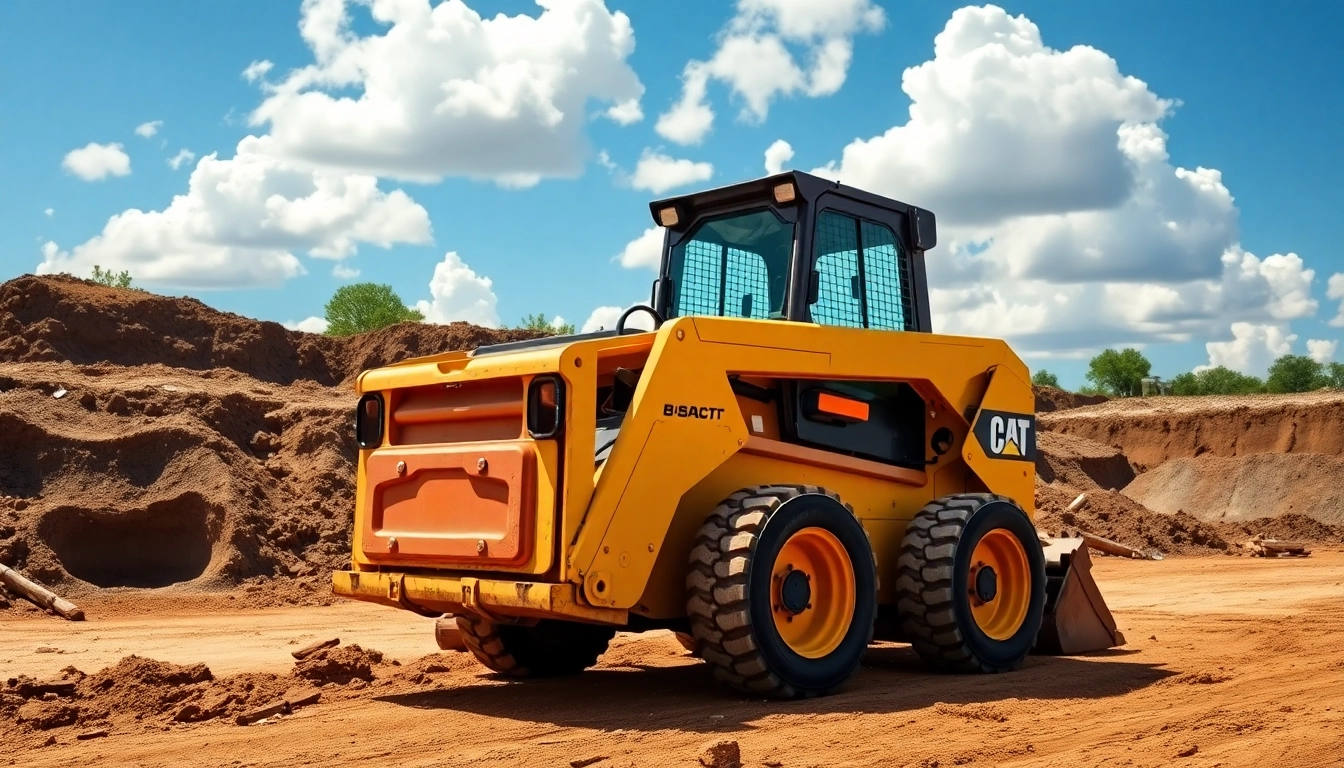
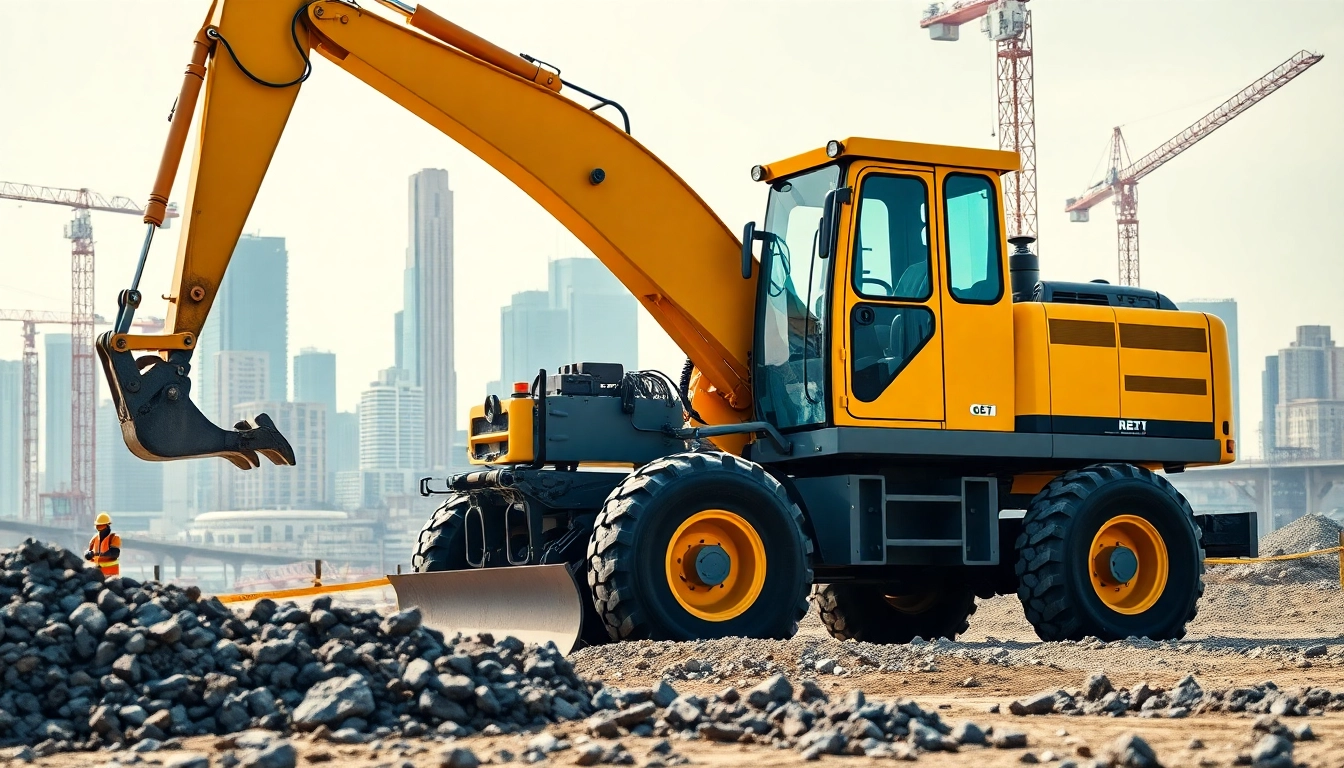
- Construction Equipment: Bulldozers, cranes, excavators, and forklifts are among the primary machinery transported to job sites.
- Agricultural Equipment: Tractors, harvesters, and plows represent essential equipment for agricultural operations.
- Industrial Equipment: Machinery used in manufacturing processes, such as lathes, milling machines, and assembly line tools, fall into this category.
- Vehicles: This includes transporting cars, trucks, and specialized vehicles, which may require customized logistics solutions.
Challenges in Equipment Transportation
Common Obstacles in Heavy Hauling
Transporting heavy equipment presents unique challenges. One of the most significant obstacles is the sheer weight and size of the machinery, which often necessitates specialized transport vehicles and techniques. Additionally, transporting oversized loads may lead to complications on public roads, requiring careful planning and coordination. Other challenges include navigating state and federal regulations, managing transportation routes for efficiency, and ensuring that all equipment is properly secured during transit to prevent damage.
Permits and Regulations
Compliance with legal requirements is crucial in the equipment transportation sector. Depending on the dimensions and weight of the load, specific permits may be required to operate on public roads. These permits help ensure safety and compliance with local, state, and federal regulations. It is vital for transport companies to understand the complexities of acquiring the necessary permits and maintaining compliance throughout the transportation process.
Risk Management Strategies
Effective risk management is essential for minimizing potential issues during equipment transportation. Strategies may include detailed risk assessments before transportation begins, ensuring that all personnel are trained in safety protocols, and maintaining open communication among all stakeholders. Additionally, utilizing advanced tracking technologies can provide real-time data on the status of the shipment, helping to mitigate risks associated with delays or unexpected incidents.
Best Practices for Safe Equipment Transportation
Pre-transport Assessments
A comprehensive assessment before transportation begins is vital for ensuring safety and efficiency. This includes inspecting the equipment’s condition, ensuring all components are secure, and identifying any potential challenges along the route. Conducting risk assessments and ensuring compliance with regulations can avert costly delays and accidents during transport.
Choosing the Right Transport Vehicle
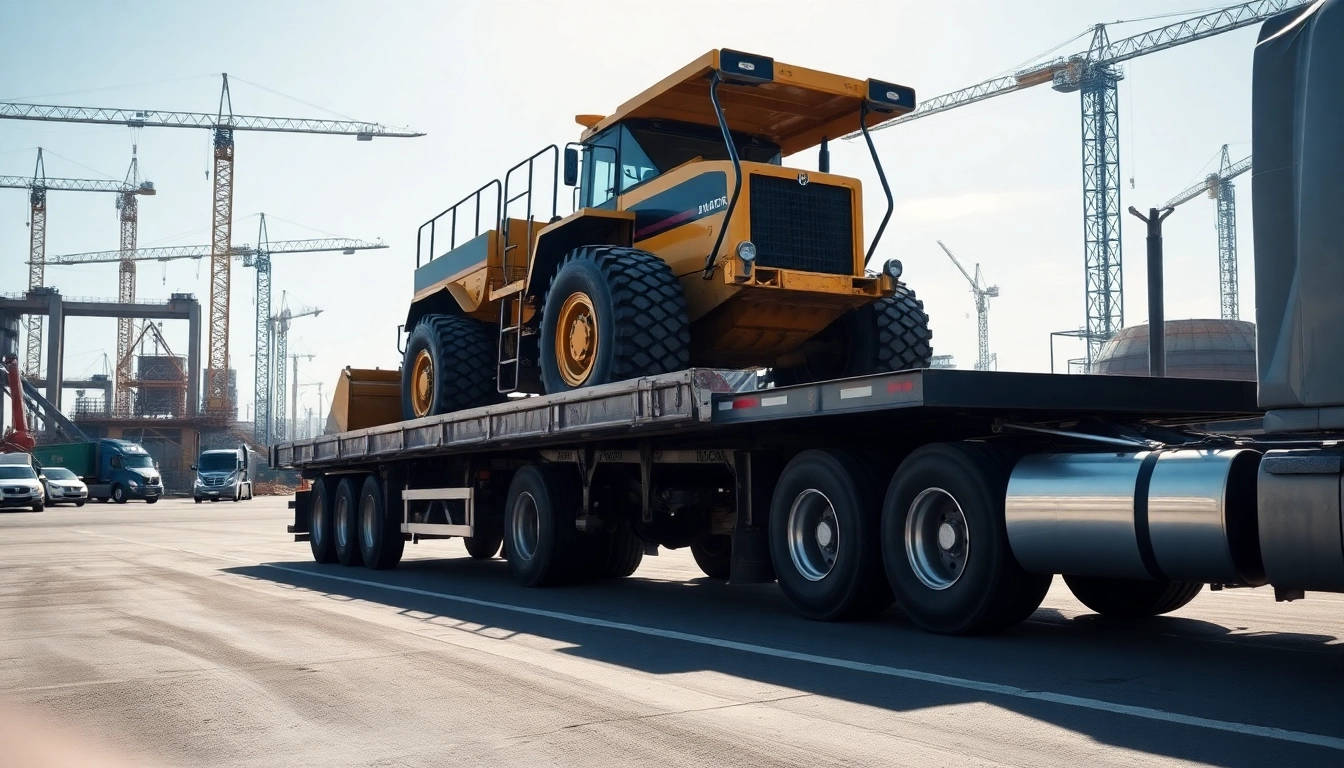
Selecting the appropriate vehicle for equipment transportation is crucial. The chosen transport vehicle should meet the weight, size, and type requirements of the equipment being moved. Specialized vehicles, like lowboys or flatbeds, are often necessary for transporting heavy or oversized loads. Understanding the specifics of the equipment and selecting the right vehicle can significantly reduce the risks associated with equipment transportation.
Ensuring Load Security
Securing loads properly is one of the most critical aspects of equipment transportation. Ensuring that equipment is tied down and balanced appropriately can prevent damage during transit and maintain safety for other road users. Various methods can be used to secure equipment, including heavy-duty straps, chains, and stabilizers, depending on the type of equipment and transport vehicle. Additionally, regular inspections during transportation are essential to ensure that all loads remain secure.
Cost Factors in Equipment Transportation
Calculating Transport Costs
The costs associated with equipment transportation can vary widely based on several factors. These include the size and weight of the equipment, the distance of transportation, and the type of vehicle required. Additional costs may arise from permits, insurance, and any necessary escorts for oversized loads. A comprehensive understanding of these financial implications can help businesses budget effectively for equipment transportation.
Comparative Analysis of Transport Rates
Conducting a comparative analysis of different transport rates can help companies identify the most cost-effective solutions for their equipment transportation needs. Factors influencing transport rates include market demand, availability of transport providers, and the specifics of the load being transported. Utilizing a variety of transport providers can lead to more favorable rates, which can ultimately improve overall project costs.
Investing in Equipment Transportation
Investing in efficient equipment transportation solutions can yield significant returns for businesses. By enhancing logistics capabilities and reducing downtime, organizations can improve productivity and project delivery times. Companies may also explore investing in technology, such as GPS tracking systems, which can improve the efficiency and reliability of their transportation solutions.
Future Trends in Equipment Transportation
Technology in Equipment Transport
As technology continues to advance, the equipment transportation sector is evolving rapidly. Innovations in logistics management software, real-time tracking, and route optimization algorithms are leading to increased efficiency and reduced costs. Companies that embrace these technologies are better positioned to meet customer demands and enhance the overall transportation experience.
Sustainability Practices
Sustainability is increasingly becoming a priority in logistics and equipment transportation. Companies are seeking to reduce their carbon footprint by utilizing fuel-efficient vehicles and optimizing routes to decrease fuel consumption. Additionally, implementing recycling practices for shipping materials and considering environmental impact in logistics planning are critical steps toward sustainable equipment transportation.
Innovations in Logistics Management
Innovations in logistics management, including the use of artificial intelligence and machine learning, are shaping the future of equipment transportation. These technologies can enhance decision-making processes, improve supply chain visibility, and streamline the transportation process. Companies that adapt quickly to these innovations are likely to gain a competitive advantage in the marketplace.
Frequently Asked Questions
How much does it cost to transport equipment?
Transport costs typically range from $2 to $5 per mile, influenced by the weight, size, distance, and route complications of the equipment.
What are the main types of transport?
The primary types of transport are road, rail, air, and water. Each type serves different logistics needs based on distance and load characteristics.
What is the cheapest mode of transport for heavy goods?
Water transport is generally the most cost-effective option for heavy and bulky goods, leveraging extensive waterways to reduce shipping costs.
How do I find equipment transportation services near me?
To find local equipment transportation services, consider searching online, asking for recommendations, or checking local business directories for options.
What factors affect equipment transport rates?
Rates are influenced by the equipment's size, weight, transport distance, required vehicle type, and additional services such as permits and escorts.
Contact Information
Call Us: 4062607988Address: 3906 MT-40, Columbia Falls, MT 59912