Understanding Integrated Modular Systems: What They Are
Integrated modular systems represent a paradigm shift in the way industries approach functionality and efficiency. By combining various components into a cohesive framework, these systems optimize performance, reduce complexity, and enhance operational flexibility. As water treatment demands escalate globally, solutions like Integrated Modular Systems have emerged, addressing critical environmental challenges through innovative design and technology.
Definition and Key Features of Integrated Modular Systems
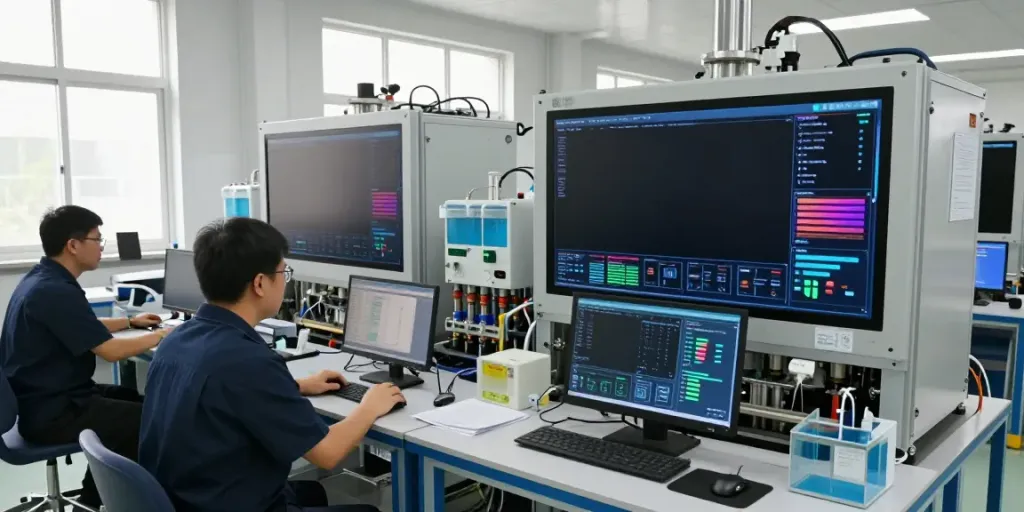
At their core, integrated modular systems are designed to function as unified entities rather than disparate parts. This integration facilitates seamless connectivity between components—such as treatment processes, monitoring systems, and control units—allowing for improved data sharing and operational oversight.
- Modularity: Components can be independently developed and modified while still working in tandem.
- Scalability: Systems can be easily expanded or reconfigured according to changing demands.
- Performance Optimization: Integrated solutions enhance efficiency through streamlined processes, reducing energy consumption and operational costs.
Comparison of Integrated vs. Traditional Systems
Traditional systems often involve standalone processes that can lead to inefficiencies and increased complexity. In contrast, integrated modular systems leverage interconnected functionalities, promoting real-time monitoring and adaptive responses. For instance, while a traditional water treatment plant may require manual oversight for each individual process, an integrated system can automate these interactions for enhanced precision and reliability.
Types of Integrated Modular Systems in Water Treatment
Water treatment is one of the sectors where integrated modular systems shine. Various solutions have been developed to address the unique challenges associated with water quality management:
- Integrated Membrane Water Treatment System: This system employs membrane technologies to remove contaminants efficiently, often used in desalination and wastewater treatment.
- Chemical Treatment System: Incorporating dosing systems, these modular solutions ensure accurate chemical application, enhancing the effectiveness of treatment methodologies.
- DAF Integrated Treatment System: QILEE’s DAF system integrates chemical dosing with sludge dewatering, optimizing the treatment of wastewater, particularly those containing lighter suspended solids.
Benefits of Implementing Integrated Modular Systems
The adoption of integrated modular systems brings a multitude of advantages that can significantly impact operational success in various industries, particularly in water treatment.
Cost Efficiency and Resource Management
Integrating multiple functions into a single framework allows for significant cost reductions. By minimizing the need for separate systems and streamlining operations, organizations can conserve resources and allocate budgets more effectively. For instance, the use of a single integrated system for chemical dosing and sludge treatment saves on both infrastructure and labor costs.
Enhanced Performance and Reliability
Integrated modular systems are designed for reliability, facilitating continuous monitoring and data analysis. This leads to improved maintenance schedules and reduced downtimes. QILEE’s solutions, such as the integrated DAF system, exemplify this by delivering consistent performance and reliable output in demanding conditions.
Environmental and Sustainability Advantages
One of the most compelling benefits of integrated modular systems is their contribution to environmental sustainability. By optimizing processes to reduce waste and emissions, organizations can meet regulatory requirements more effectively. This aligns with global initiatives aimed at promoting sustainable water management practices, ensuring that resources are preserved for future generations.
Challenges and Considerations in Integrated Modular Systems
While the advantages are clear, implementing integrated modular systems is not without its challenges. Understanding these limitations can help organizations prepare adequately for a successful transition.
Common Misconceptions About Modular Systems
A frequent misconception is that modular systems are less robust than traditional setups. However, modern integrated systems are built using advanced technologies that enhance durability and adaptability. Organizations must educate stakeholders about these strengths to facilitate smoother adoption.
Regulatory and Compliance Requirements
All water treatment solutions must adhere to local and international regulations, which can vary significantly. Integrated modular systems must be designed with compliance in mind, necessitating thorough testing and certifications to ensure they meet required standards.
Technical Challenges and Solutions
Integrating various technologies can introduce technical challenges, such as compatibility and data integration issues. However, these can often be addressed through strategic planning and selection of modular components that are designed to work together seamlessly.
Applications of Integrated Modular Systems Across Industries
Integrated modular systems extend beyond water treatment, finding applications in diverse sectors including healthcare, manufacturing, and construction.
Water Treatment Solutions in Municipal Systems
Municipal water treatment facilities benefit immensely from integrated systems by improving efficiency, lowering operational costs, and enhancing water quality. These systems allow municipalities to better manage water resources and ensure compliance with safety standards.
Industrial Applications and Case Studies
Various industries are integrating modular systems to optimize their operations. For example, a manufacturing plant may implement an integrated chemical treatment system to enhance wastewater processing while reducing environmental footprints. Case studies show significant reductions in costs and improvements in output quality with these implementations.
Future Trends in Integrated Modular Systems
As technologies evolve, so too will integrated modular systems. Future trends are likely to include greater automation, AI-driven analytics for predictive maintenance, and enhanced modular designs that further simplify integration and scalability. The emphasis on sustainability will also continue to drive advancements in this field.
Getting Started with Integrated Modular Systems in Your Business
For organizations looking to implement integrated modular systems, a structured approach can facilitate a smooth transition.
Assessing Your Water Treatment Needs
Begin by evaluating your current water treatment processes to identify inefficiencies or gaps. Understanding specific needs will guide the selection of appropriate modular systems tailored to your operation.
Choosing the Right Modular System for Your Operations
Not all modular solutions are created equal. Research potential providers and consider systems that have a proven track record in your industry. Look for features like scalability, interoperability, and compliance with regulatory standards.
Implementation and Maintenance Strategies
A successful implementation involves not just the installation of new systems but also training staff and establishing ongoing maintenance protocols. Regular training sessions and maintenance checks will ensure that systems perform at optimal levels.
Frequently Asked Questions
What is an example of a modular system?
An example of a modular system is a mobile water treatment unit that integrates filtration, chemical dosing, and monitoring capabilities into a single trailer. This allows for rapid deployment in emergency situations.
How much does a modular system cost?
The cost of a modular system varies based on its complexity and components. Organizations should conduct a cost-benefit analysis to assess the ROI of implementing these systems against traditional setups.
What is modular integrated construction?
Modular integrated construction refers to the practice of creating building components offsite and then assembling them onsite. This approach enhances efficiency, reduces waste, and accelerates project timelines.
What is the difference between modular and integrated design?
Modular design emphasizes the use of standardized, interchangeable components, while integrated design focuses on creating a unified system where all parts work together seamlessly for enhanced functionality.
How can Integrated Modular Systems improve efficiency?
By streamlining processes and fostering better communication between various system components, integrated modular systems enhance operational efficiency, reduce downtimes, and lead to lower overall costs.