Understanding the Basics of Recirculating Cooker Hoods
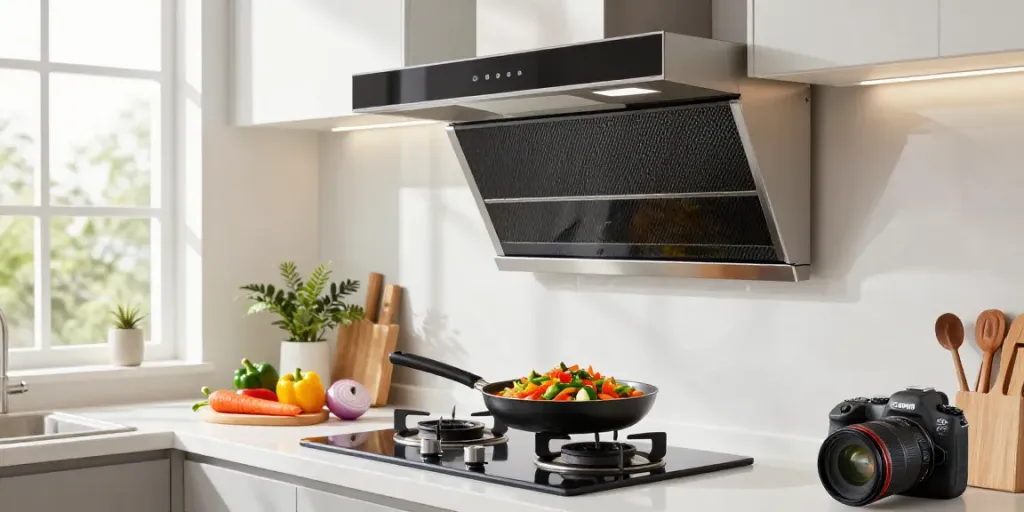
In modern kitchens where space and structural limitations often complicate traditional ventilation solutions, recirculating cooker hoods with carbon filters emerge as a practical alternative. They are particularly popular in urban settings, such as flats or terraced houses, where external venting is not an option. A recirculating cooker hood, also known as a ductless hood, does not require external ventilation; instead, it filters the air before recirculating it back into the kitchen. This article explores the nuances of these hoods, addressing their functionality, moisture control, installation, maintenance, and recommendations for the ideal units for your kitchen setup. When exploring options, recirculating cooker hood with carbon filter provides comprehensive insights into what makes these units stand out.
What is a Recirculating Cooker Hood?
A recirculating cooker hood is designed to improve indoor air quality in the kitchen by filtering out cooking fumes, odors, and pollutants without requiring ductwork. These hoods operate using a system of filters—primarily grease filters and activated carbon filters. When cooking, the hood captures the air laden with smoke and vapor, processes it through the filters, and then returns the purified air back into the kitchen. This functionality makes them an excellent choice for homes that lack the necessary infrastructure for ducted hoods.
How Do Recirculating Hoods Function?
The operation of recirculating cooker hoods can be summarized in three main processes:
- Extraction: The hood draws in air from the cooking area, which contains heat, smoke, grease, and odors.
- Filtration: The air first passes through a grease filter that traps grease and oil particles and is then routed through an activated carbon filter that neutralizes unpleasant odors and airborne pollutants.
- Recirculation: Finally, the cleaned air is blown back into the kitchen, thus ensuring a fresher cooking environment.
Benefits of Using Carbon Filters
Carbon filters play a crucial role in the effectiveness of recirculating cooker hoods. Made from activated carbon, they possess a porous structure that effectively traps and absorbs unwanted odors and airborne particles. This results in several key benefits:
- Improved Air Quality: By absorbing harmful pollutants, carbon filters help maintain a healthier indoor environment.
- Elimination of Odors: Carbon is especially effective at neutralizing cooking smells, making your kitchen space more pleasant after preparing meals.
- Cost-Effective Solution: Compared to ducted systems, which can require significant structural modifications, recirculating hoods are easier to install and maintain.
Evaluating Moisture Control in Your Kitchen
Effective moisture control is an often-overlooked aspect of kitchen ventilation. While recirculating cooker hoods primarily focus on removing grease and odors, they can also impact humidity levels in your kitchen.
How Effective are Recirculating Cooker Hoods at Reducing Humidity?
While the main function of these hoods is to filter out airborne contaminants, they also play a pivotal role in moisture management. By capturing steam and vapor during cooking, they help prevent excessive humidity from accumulating. This is particularly beneficial in environments prone to damp, such as older homes or those with limited ventilation.
Impact on Air Quality and Cooking Environment
The installation of a recirculating cooker hood with carbon filter not only enhances air quality but also contributes to a more comfortable cooking experience. By mitigating moisture, these hoods can help prevent the growth of mold and mildew, which are common problems in kitchens lacking proper venting. This dual function allows them to serve both as a tool for odor and grease removal as well as a means to maintain a dry environment.
Common Misconceptions About Moisture Removal
One common misconception is that recirculating hoods completely eliminate humidity. While they do assist in reducing moisture, they may not be as effective as ducted systems, especially for heavy-duty cooking that generates a substantial amount of steam. It's important to set realistic expectations and to consider additional methods of moisture control, such as using dehumidifiers or improving natural ventilation.
Installation Guide for Recirculating Cooker Hoods
Installing a recirculating cooker hood can be a straightforward process, especially with models that are designed for easy installation. Follow this guide to ensure a successful setup.
Step-by-Step Installation Process
1. Gather Your Tools: You will need a screwdriver, a drill, and potentially a level for alignment.
2. Locate the Installation Area: Choose a location that allows the hood to effectively capture fumes while being within reach of power sources.
3. Mount the Hood: Follow the manufacturer's guidelines for securely attaching the hood to the wall or beneath cabinets. Ensure that the hood is level for optimal performance.
4. Connect to Power: Wire the unit according to the installation manual.
5. Install Filters: Ensure that both the grease and carbon filters are properly fitted before using the unit.
Choosing the Right Location
The location of your recirculating cooker hood is critical to its performance. Ideally, it should be installed directly above the cooking surface to maximize its effectiveness in capturing steam and odors. For island installations, center the hood over the cooking area for 360-degree air capture.
Tools Required for Installation
Although installation is relatively simple, having the right tools will make the process smoother. Typical tools needed include:
- Screwdriver
- Drill
- Level
- Pencil for marking
- Measuring tape
Maintenance and Filter Replacement Schedule
To ensure that your recirculating cooker hood functions effectively, regular maintenance and timely filter replacements are essential. Below is a guide to help manage this aspect.
How Often to Change Carbon Filters?
Carbon filters should typically be replaced every 3 to 6 months, depending on usage frequency and cooking style. Heavy cooks may need to change their filters more frequently to maintain optimal performance.
Cleaning Grease Filters: Best Practices
Grease filters are often washable and should be cleaned regularly, preferably every month. This prevents excess grease buildup, which can reduce airflow and efficiency. Refer to your user manual for specific washing instructions, as different materials may require different care.
Understanding Filter Compatibility with Different Models
Not all filters are interchangeable. When purchasing replacements, ensure that they are designed for your specific model of cooker hood. Most manufacturers provide detailed compatibility information to guide your purchase.
Choosing the Best Recirculating Cooker Hood for Your Kitchen
With a plethora of options available, selecting the ideal recirculating cooker hood can seem daunting. Here are some considerations to assist in your decision.
Comparative Analysis of Different Models
When evaluating models, consider factors such as suction power, filter type, design aesthetics, and noise levels. High-efficiency models may be more expensive upfront but could save on energy and maintenance costs in the long run.
Key Features to Look For
Key features to consider while selecting a cooker hood include:
- Suction Power: Measured in cubic meters per hour (m³/h), higher power ratings are better for avid cooks.
- Noise Levels: Look for decibel ratings; quieter models enhance the cooking experience.
- Ease of Maintenance: Ensure filter accessibility and ease of cleaning.
- Design Compatibility: Choose a style that complements your kitchen décor.
Expert Recommendations for 2026
As of 2026, several models stand out for their efficiency and design. For compact kitchens, the Ciarra 52cm Integrated Cooker Hood with Carbon Filter (Model: CBCB5931C-OW) offers a sleek, low-profile solution that fits seamlessly into cabinetry. For open spaces, the Ciarra Smart Island Cooker Hood (Model: CBCB4850-OW) provides powerful extraction and striking aesthetics.
Are recirculating cooker hoods any good?
Yes, recirculating cooker hoods are ideal for kitchens where ducted options are not feasible. They provide adequate air purification and moisture control while being easier to install and maintain.
Which recirculating cooker hood with carbon filter is best?
The best model varies by individual needs and kitchen layout, but brands like Ciarra have earned recognition for quality and efficiency. Their range allows for various installations—from integrated to island models—ensuring that there’s something for every kitchen.
Are carbon filter cooker hoods effective?
Indeed, carbon filter cooker hoods are effective at neutralizing odors and improving indoor air quality. However, they may not provide the same level of odor removal as ducted systems, but they do offer a practical solution for many home environments.
What are some recirculating cooker hoods that don't require ducting?
Several models are designed specifically for recirculation, including wall-mounted and island designs, which can operate efficiently without ducting. These include various Ciarra models that feature advanced filtration technology.
How to upgrade your kitchen without external venting?
Consider installing a recirculating cooker hood with a carbon filter, as these hoods provide effective odor and moisture control without the need for extensive ductwork. Explore modern models that blend performance with design to elevate your kitchen.