Understanding Elevate Epoxy Flooring
In the realm of modern flooring solutions, Elevate Epoxy Flooring stands out as a premier choice for homeowners and businesses alike. This flooring option combines aesthetic appeal with unmatched durability, making it suitable for a variety of applications, from residential to commercial spaces. In this guide, we explore the fundamentals of epoxy flooring, its numerous advantages, and how it can revolutionize your surfaces.
What Is Epoxy Flooring?
Epoxy flooring consists of a mixture of resins and hardeners that, when applied to a concrete substrate, create a strong and resilient surface. This type of flooring is particularly noted for its glossy finish and seamless appearance. The chemical reaction between the resin and hardener results in a tough plastic-like material that can withstand heavy foot traffic, chemicals, and stains.
Various types of epoxy systems are available, including traditional epoxy, flake systems, and metallic coatings, each offering unique aesthetic and functional benefits. These systems can even be customized to fit specific design needs and preferences.
Key Benefits of Elevate Epoxy Flooring
- Durability: Epoxy flooring is exceptionally durable and can last for decades with proper maintenance. Its resistance to wear and tear makes it ideal for both residential and commercial settings.
- Low Maintenance: Once installed, epoxy floors require minimal upkeep compared to other flooring options. They can be easily cleaned with a damp mop and do not require waxing or polishing.
- Safety Features: Many epoxy systems can be formulated with anti-slip additives, improving safety in high-traffic areas.
- Aesthetic Appeal: Epoxy flooring can be customized in terms of color, design, and finish, allowing homeowners to achieve their desired look.
- Environmentally Friendly: By using VOC-free materials, installations can be safer for occupants and the environment.
Common Applications and Uses
Elevate Epoxy Flooring is versatile, making it suitable for diverse environments. Common applications include:
- Residential Garages: Epoxy flooring's strength and resistance to spills and stains make it a perfect choice for garages.
- Commercial Spaces: Warehouses, retail stores, and showrooms benefit from the seamless and durable nature of epoxy flooring.
- Hospitals and Clinics: The ability to create a sterile environment along with easy cleaning supports functionality in health care facilities.
- Restaurants and Cafés: Epoxy can withstand heavy foot traffic and resist stains from food and beverages.
Choosing the Right Color and Finish
Exploring the Flake Color Chart
One of the most exciting aspects of choosing epoxy flooring is the wide range of colors and finishes available. The flake color chart showcases numerous options, allowing you to select a design that complements your space. From bold colors like deep reds and blues to muted tones like grays and beiges, there is a flake design for every aesthetic need.
Consider the overall theme of your space when selecting a color. Bright colors can add vibrancy, while softer hues might promote a sense of calm.
How to Pick the Perfect Shade for Your Space
Choosing the right color can significantly impact the ambiance of your area. Here are some tips:
- Consider Lighting: The amount of natural light can influence how a color appears. Test samples in your space under different lighting conditions.
- Align with Existing Decor: Pick colors that harmonize with your furniture and wall colors to create a cohesive look.
- Think About Functionality: Darker colors can show dust and stains less, making them ideal for high-traffic areas.
Trends in Epoxy Flooring Colors for 2026
As design preferences evolve, so do the trends in epoxy flooring. In 2026, expect to see:
- Earthy Tones: Colors inspired by nature, such as olive greens, terracotta, and taupe, will dominate.
- Metallic Finishes: High-gloss metallic epoxy floors add a sophisticated touch to modern spaces.
- Customized Designs: Unique patterns and bespoke colors will become increasingly sought after, allowing for distinct personalization.
Installation Process Explained
Preparation Steps for Your Concrete Surface
The installation of epoxy flooring requires careful preparation to ensure longevity and performance. Here’s how to prepare your concrete surface:
- Clean the Surface: Remove any dirt, grease, or previous coatings from the concrete using a degreaser.
- Repair Cracks: Fill any cracks or holes with concrete filler to create a smooth surface.
- Grind the Surface: Use a concrete grinder to roughen the surface, promoting better adhesion for the epoxy.
Step-by-Step Guide to Installation
Follow these steps for a successful epoxy flooring installation:
- Mix the Epoxy: Follow the manufacturer's instructions to mix the resin and hardener properly.
- Apply Primer: If required, apply a primer to the prepared surface to enhance adhesion.
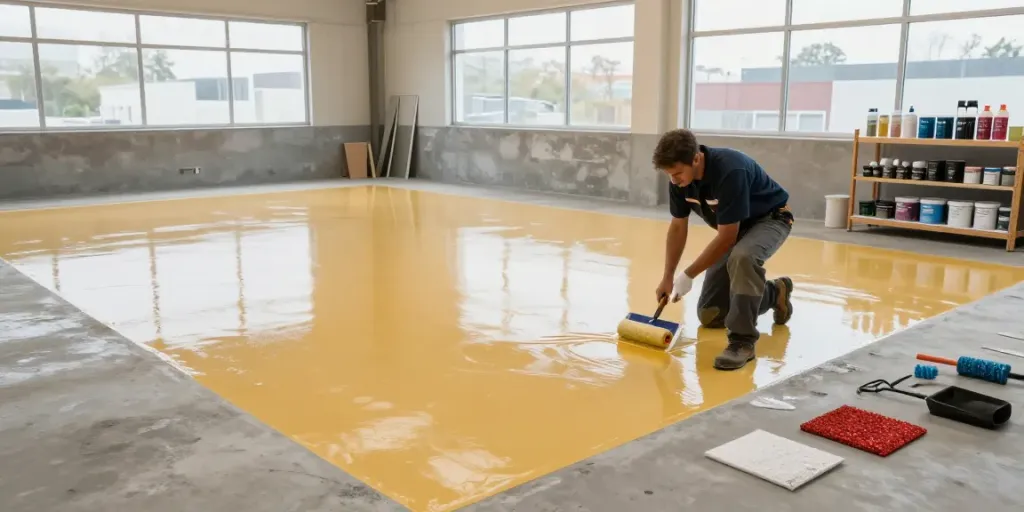
- Pour the Epoxy: Starting in one corner, pour the epoxy onto the surface and spread it evenly with a roller or squeegee.
- Add Flakes: If using flake systems, sprinkle the decorative flakes onto the wet epoxy for added texture and design.
- Seal the Surface: Once cured, a clear top coat can be applied for added protection and enhanced shine.
Maintenance Tips for Longevity
To ensure the longevity of your epoxy flooring, consider the following maintenance tips:
- Regular Cleaning: Sweep and mop the floor regularly to remove debris and prevent scratching.
- Avoid Harsh Chemicals: Harsh cleaners can damage the epoxy. Use gentle soaps and avoid abrasive scrubbers.
- Address Spills Promptly: Clean up spills immediately to prevent staining.
Environmental Impact of Elevate Epoxy Flooring
Using VOC-Free Materials
Elevate Epoxy Flooring emphasizes the use of VOC-free materials, making their products safer for both installers and occupants. Volatile Organic Compounds (VOCs) can contribute to air pollution and health issues, making the choice of low-emission products vital. By opting for VOC-free options, users can ensure a healthier indoor environment.
Eco-Friendly Practices in Installation
Installation methods can also impact the environment. By following eco-friendly practices, such as recycling old flooring materials and opting for sustainable packaging, the epoxy flooring industry can minimize its ecological footprint.
Benefits for Indoor Air Quality
Utilizing low-emission materials directly contributes to better indoor air quality. This is especially important for residential areas and commercial spaces where people spend significant amounts of time. Installing eco-friendly epoxy flooring ensures a healthier atmosphere, benefitting both physical health and overall well-being.
Future Trends in Epoxy Flooring
Innovations in Epoxy Technology
The epoxy flooring industry continues to evolve with technological advancements. Innovations such as self-leveling epoxies, quicker curing processes, and environmentally benign formulations will shape the future of flooring solutions. Manufacturers are focusing on creating products that enhance durability while being easier to apply.
Predictions for Epoxy Flooring in 2026
As we look towards 2026, the epoxy flooring market is expected to grow significantly. Increased demand for high-performance, customizable flooring options will drive growth. Additionally, more consumers will prioritize sustainable and eco-friendly products, pushing manufacturers to innovate further.
Adapting to Consumer Needs and Preferences
Consumer preferences are fundamental in shaping the future of epoxy flooring. The demand for personalized designs and colors is expected to increase, leading to more innovative and diverse offerings in the market. Companies that can anticipate and adapt to these changes will have a competitive edge.
What is the downside of epoxy flooring?
While epoxy flooring is highly advantageous, it does have some downsides. It can be slippery when wet if not treated with anti-slip additives. Additionally, the installation process requires a certain level of expertise, and the initial costs may be higher compared to other flooring options.
How much would it cost to epoxy 1000 sq ft?
The cost to epoxy a space of 1000 square feet can range from $3 to $12 per square foot, depending on the type of epoxy used and the complexity of the installation. Factors that influence the price include surface preparation, color choices, and the inclusion of decorative elements.
What is the best floor epoxy on the market?
The "best" floor epoxy can depend on specific needs and preferences. Some popular brands include Rust-Oleum, Epoxy-Coat, and TotalBoat, each known for their quality and variety of products. It is essential to choose a product that fits the intended application, whether residential, commercial, or industrial.
How much does a 20x20 epoxy floor cost?
The average cost for a 20x20 epoxy floor can range from $1,200 to $4,800, depending on the quality of materials and labor costs in your area. This estimate includes both surface preparation and epoxy application.
Are there different types of epoxy flooring?
Yes, there are several types of epoxy flooring, including:
- Solid Color Epoxy: A straightforward option for those who want a classic look.
- Flake Epoxy: Combines colored flakes with epoxy for a textured appearance.
- Metallic Epoxy: Offers a unique, high-gloss finish that can mimic the look of marble or metal.
- Self-Leveling Epoxy: Ideal for creating a smooth surface over uneven concrete.